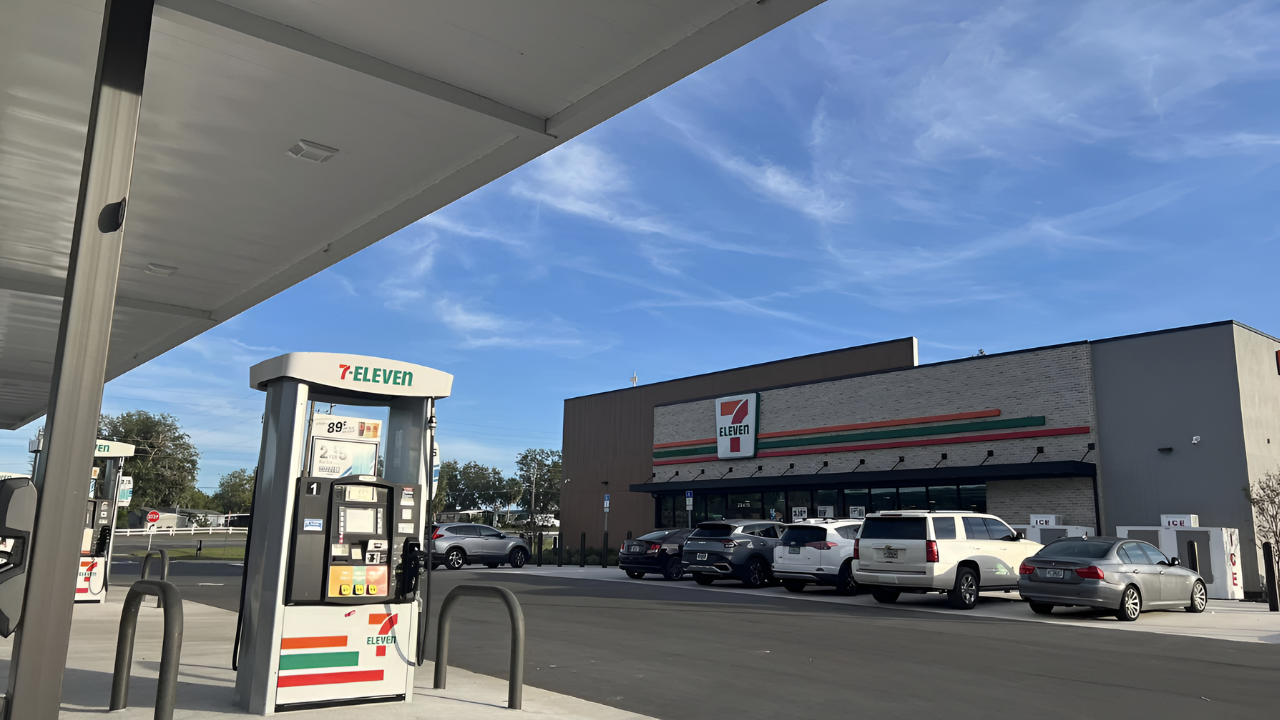
On December 8, 2025, a landmark penalty shook one of America’s most recognizable convenience-store brands. Federal regulators delivered a powerful blow to 7-Eleven, Inc. and its parent company, Seven & i Holdings Co. Ltd.
The companies agreed to pay a significant civil penalty, the largest ever for a prior-notice order violation, after acquiring a St. Petersburg, Florida, fuel outlet in December 2018 without notifying regulators.
This violation breaches a 2018 consent order tied to their $3.3 billion Sunoco acquisition. What led to this record-breaking penalty, and what does it mean for the future of corporate acquisitions?
Rising Stakes
Regulators say the case represents more than a single missed filing. It reflects whether large fuel retailers, subject to consent orders, can be trusted to police themselves as they continue to acquire local gas stations.
By calling the company’s compliance systems “wholly inadequate,” the Federal Trade Commission (FTC) signaled it is prepared to seek tougher remedies and higher fines when those safeguards fail, raising the stakes for future mergers in tightly concentrated fuel markets.
The settlement marks the largest negotiated settlement of any order violation in the FTC Bureau of Competition’s history.
Order Backstory
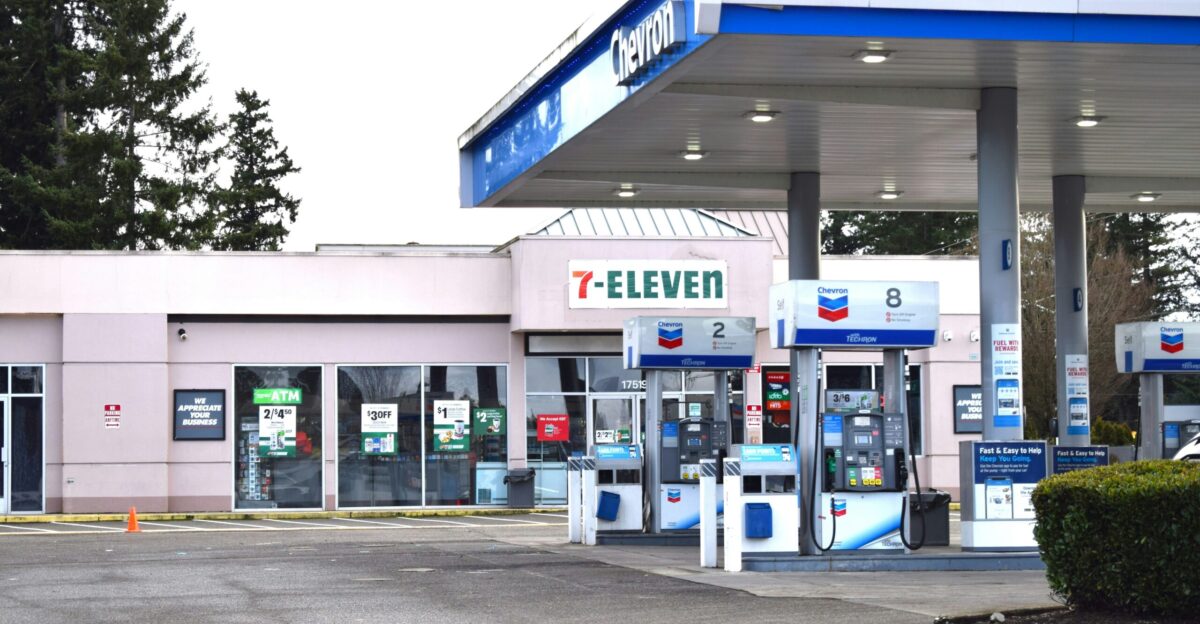
The enforcement action dates back to a 2018 FTC consent order resolving earlier concerns about 7-Eleven’s fuel station acquisitions.
That order, tied to 7-Eleven’s $3.3 billion acquisition of approximately 1,100 retail fuel outlets from Sunoco, imposed prior-notice requirements covering 76 local markets before the company could acquire additional fuel outlets in identified areas.
Such notice provisions let regulators vet whether follow-on acquisitions could undermine the competitive balance they had just worked to protect.
Compliance Squeeze
Under the 2018 order, 7-Eleven was required to provide 30 days’ prior notice to the FTC before acquiring any fuel-station competitors in covered markets.
According to the FTC, those internal controls were found to have failed. The agency found that there were no “meaningful systems” in place to ensure that business teams checked order obligations before acquisitions.
That kind of breakdown is exactly what prior-notice provisions are designed to prevent, especially in fast-moving, highly localized fuel markets where consolidation can rapidly eliminate consumer choice.
Record Penalty
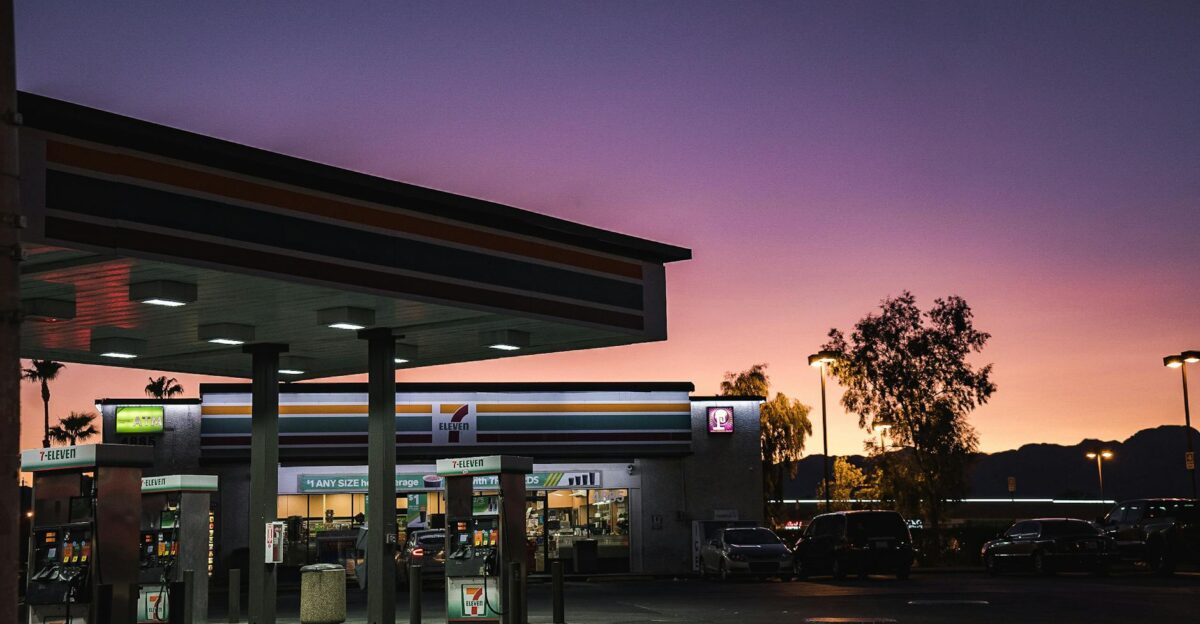
In December 2025, following a Federal Trade Commission lawsuit filed in 2023, the FTC announced that 7-Eleven, Inc. and its parent company agreed to pay a $4.5 million federal civil penalty.
Regulators stated that the payment resolves allegations that the company violated the 2018 consent order by acquiring a St. Petersburg, Florida, fuel outlet in December 2018 without providing the required prior notice.
The FTC described this as the largest civil penalty it has ever collected for a prior-notice order violation, and the largest negotiated settlement for any order violation in the Bureau of Competition’s history.
The Three-Year Gap
The disputed acquisition involved a St. Petersburg fuel outlet purchased in December 2018, within one of 76 local markets covered by the 2018 consent order.
The FTC states that 7-Eleven did not inform the agency about the deal until March 25, 2022—over three years after the fact. That extended delay meant regulators lost the opportunity to review competitive effects before the station changed hands, a key aim of prior-notice conditions.
During this period, the outlet operated under 7-Eleven’s ownership without the FTC’s knowledge, potentially affecting thousands of local consumers through reduced fuel competition.
Consumer Impact

Consumers filling up in St. Petersburg likely saw only a familiar logo replacing another brand, but regulators saw potential harm beneath the surface.
The FTC has long warned that consolidation among large convenience-store chains can reduce local competition and keep prices higher than they might otherwise be.
By operating the undisclosed station for over three years, 7-Eleven’s acquisition may have contributed to reduced competition in an already concentrated local fuel market without regulatory oversight or intervention.
Tougher Oversight

Alongside the monetary penalty, the settlement tightens future acquisition rules for 7-Eleven. The company must comply with strengthened prior-approval and prior-notice requirements for fuel-station deals, giving the FTC more direct control over specific transactions.
Officials framed the case as part of broader efforts to enforce merger remedies aggressively, warning that companies cannot treat consent orders as one-time events and then resume business as usual.
Market Signals
The penalty lands amid growing concern about consolidation in U.S. fuel retailing. By emphasizing that this is a record prior-notice penalty—and the largest negotiated settlement for any consent order violation in FTC history—regulators are sending a message across the sector: future acquisitions of neighborhood gas stations will face closer examination, particularly in the 76 markets already covered by 7-Eleven’s consent order and in other markets where local fuel choice is already limited.
Forced Divestiture\
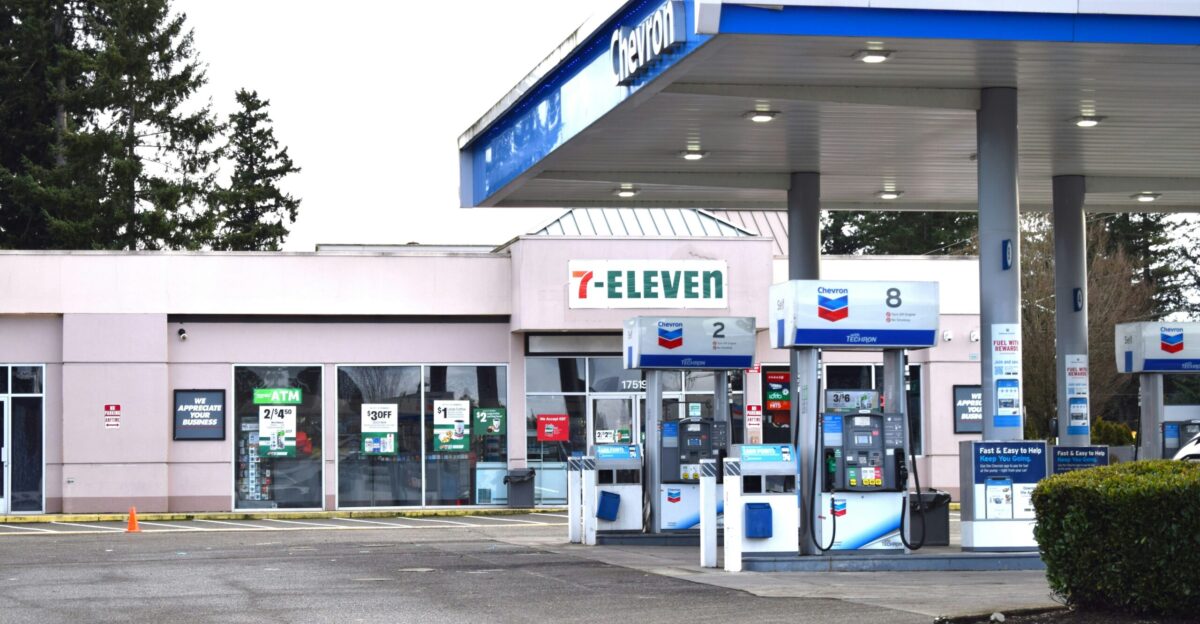
The settlement does more than impose a fine. 7-Eleven must divest the St. Petersburg outlet to a qualified buyer approved by the FTC, unwinding the deal at the center of the case.
Structural remedies, such as divestitures, are significant because they aim to restore on-the-ground competition, rather than just punishing past conduct. For a single station, that step signals how seriously regulators view order violations.
Compliance Reckoning
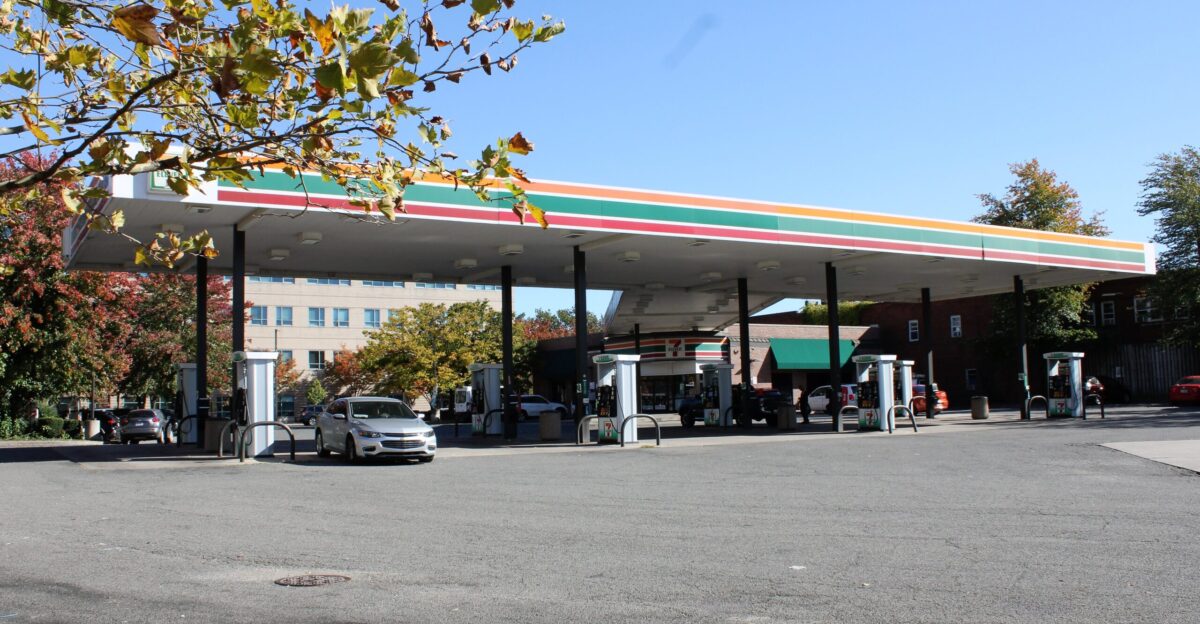
FTC officials highlighted internal shortcomings as a core issue. The agency described 7-Eleven’s compliance controls as “wholly inadequate,” arguing that the company lacked effective processes to track obligations from the 2018 consent order.
That criticism increases pressure on leadership to upgrade monitoring, training, and deal-approval workflows so that acquisition teams cannot close covered fuel station deals without appropriate legal review and FTC notification.
Parent Company Accountability
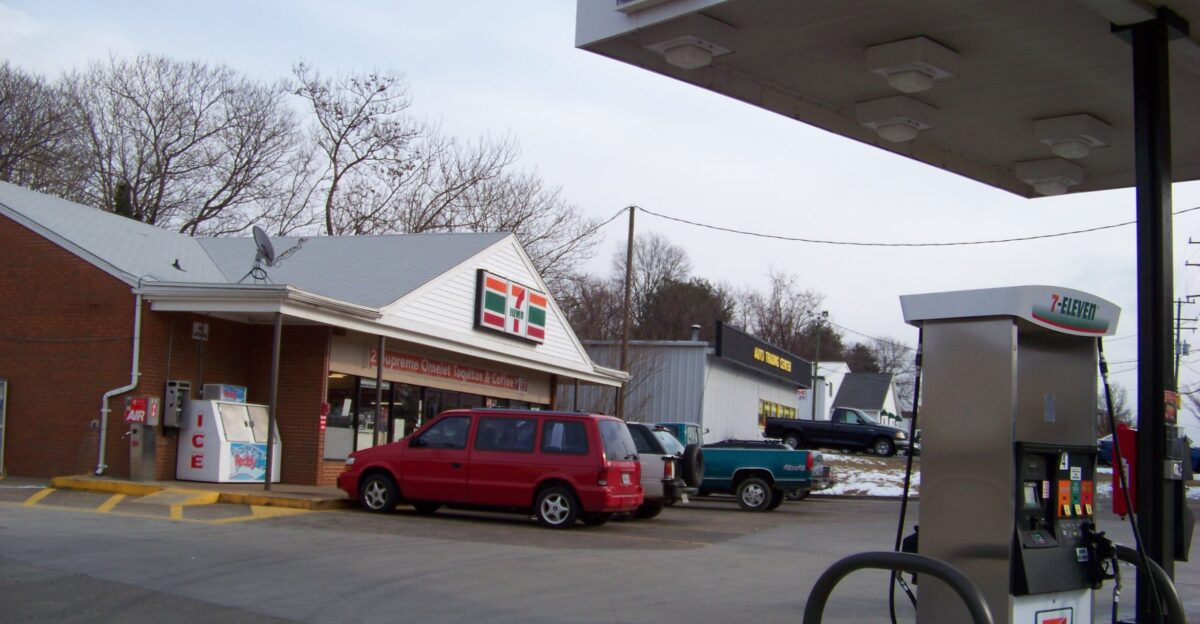
The case also reaches beyond the U.S. subsidiary. The FTC announcement notes that 7-Eleven, Inc. and its parent, Seven & i Holdings Co. Ltd., are jointly liable parties to the stipulated final judgment.
The FTC Commission voted 2-0 on December 8, 2025 to authorize the settlement. Including the Tokyo-based parent underscores that corporate groups cannot insulate themselves from U.S. antitrust remedies by placing operations in separate entities when consent orders are in place.
Company Response
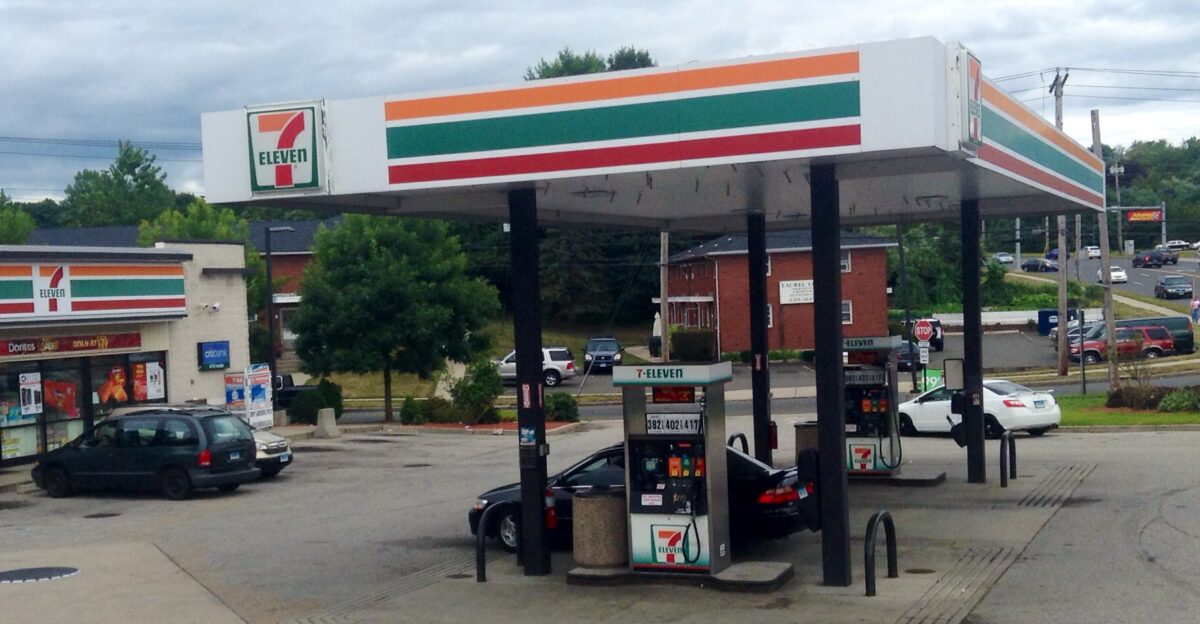
7-Eleven agreed to the civil penalty and divestiture as part of a negotiated settlement, rather than contesting the charges in a full trial.
Industry reports indicate that the company is cooperating with regulators and emphasizing its desire to move forward.
That approach suggests a strategic calculation: accept a record penalty now, while attempting to preserve long-term growth plans in the competitive convenience and fuel market.
Enforcement Precedent
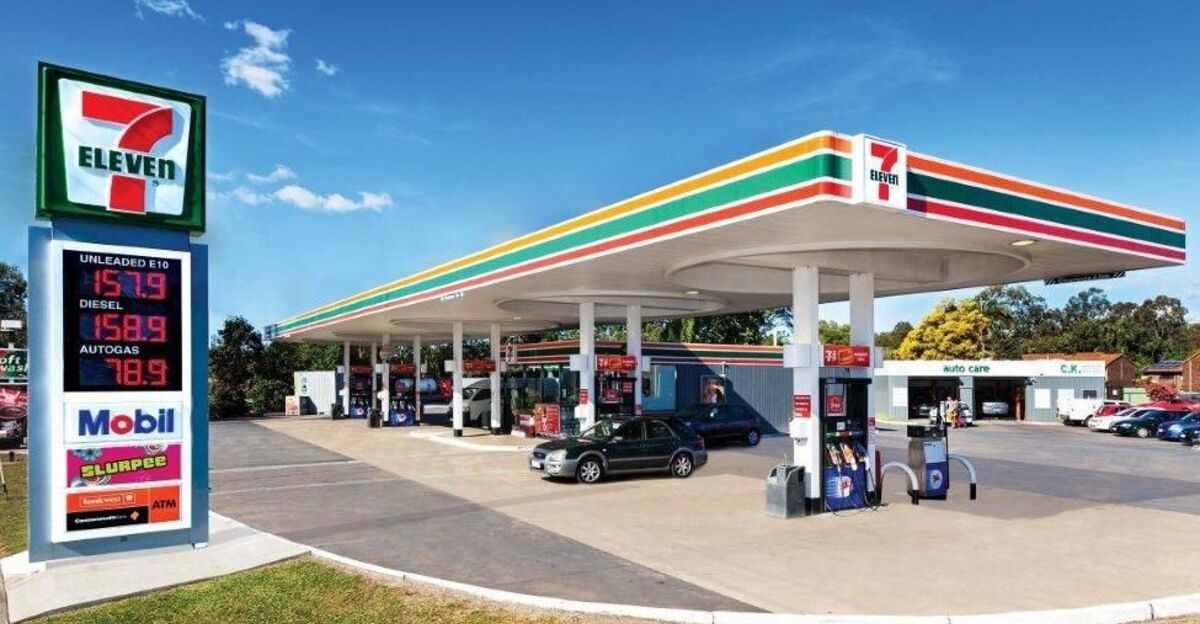
Legal and policy analysts say the case raises a broader question: Are civil penalties and divestitures enough to deter order violations by large chains that view some fines as a cost of doing business?
The record $4.5 million penalty—and explicit finding that 7-Eleven’s compliance systems were “wholly inadequate”—signals a new enforcement baseline.
Commentators note that regulators may consider even stronger remedies—such as more expansive prior-approval requirements—if they continue to see gaps between formal obligations and on-the-ground acquisition practices.
Next Moves
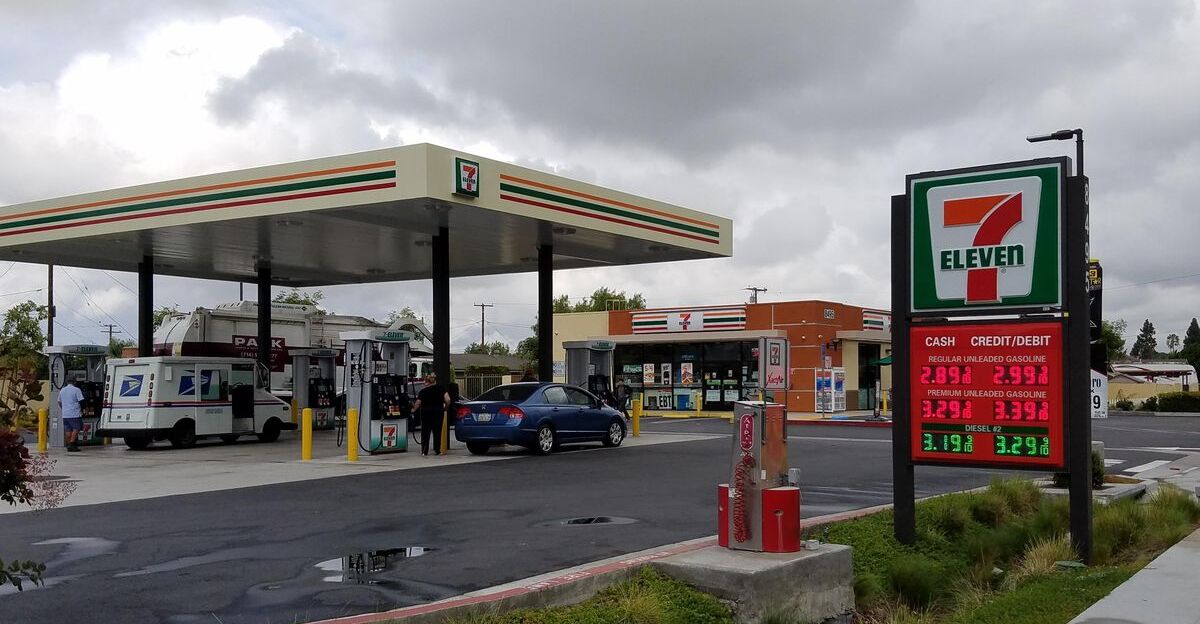
With a record $4.5 million federal penalty, a required divestiture, stricter future oversight, and an explicit finding of “wholly inadequate” compliance systems, 7-Eleven now operates under some of the strictest oversight in the gas-station space.
For other companies bound by consent orders—particularly those in concentrated fuel markets—the case is a warning that “missing” a prior-notice requirement can carry escalating costs. The open question is whether this signals a new enforcement baseline for every future fuel-station deal.
As FTC Bureau of Competition Director Daniel Guarnera stated, “7-Eleven failed to fulfill the terms of the FTC’s consent order and is now paying a record price.”
Sources:
Federal Trade Commission Press Release, December 8, 2025
FTC Bureau of Competition Official Announcement
FTC Stipulated Final Judgment and Settlement Agreement
FTC Consent Order (2018) – Sunoco Acquisition Matter No. 201-0108
FTC Bureau of Competition Historical Case Records and Enforcement Archives