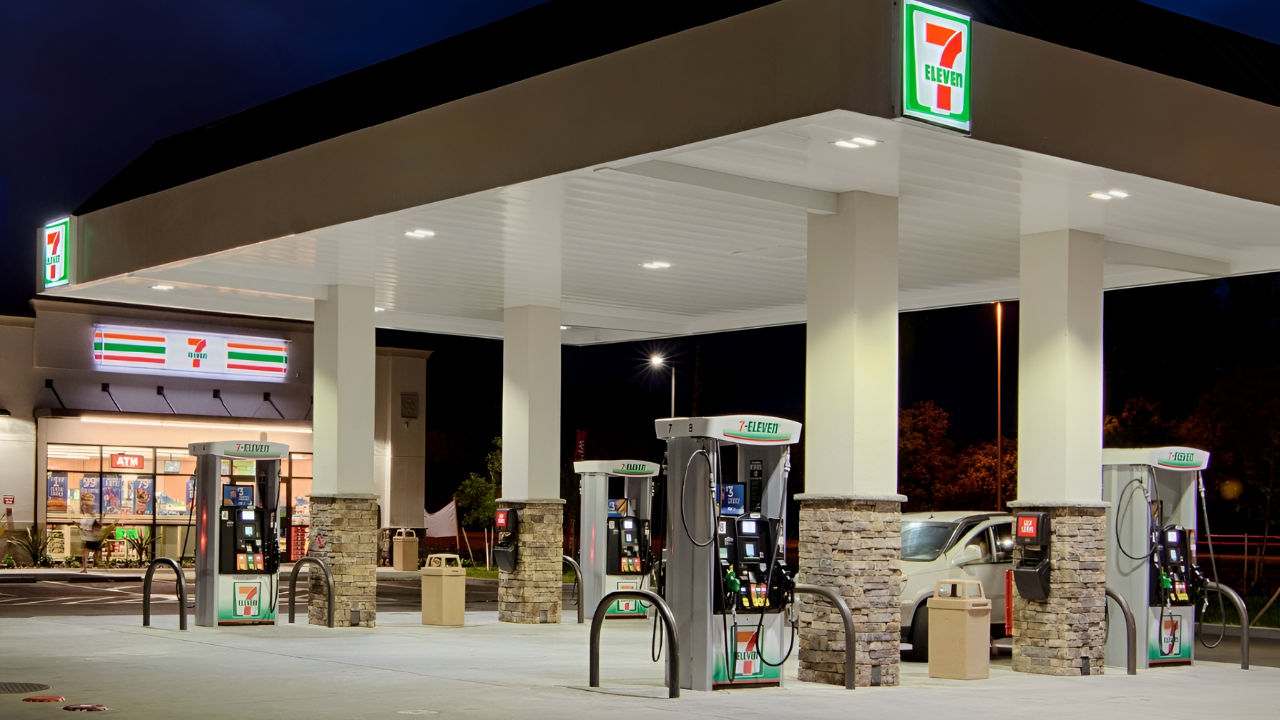
A record penalty against one of the country’s largest fuel retailers is reshaping how regulators police gas-station deals. On December 8, 2025, the Federal Trade Commission announced that 7-Eleven, Inc. and its parent, Seven & i Holdings Co. Ltd., will pay a $4.5 million civil penalty and unwind a Florida fuel-outlet purchase, after the company failed to follow special notice rules imposed as part of an earlier merger settlement.
Origins in the Sunoco Deal

The case traces back to 7-Eleven’s 2018 acquisition of roughly 1,100 Sunoco retail fuel outlets for $3.3 billion. To resolve antitrust concerns over that transaction, the FTC issued a consent order requiring 7-Eleven to notify regulators at least 30 days before acquiring additional fuel stations in 76 designated local markets where competition was already tight.
These prior-notice conditions were meant to give the FTC a chance to assess whether later, smaller purchases might erode the competitive balance in communities where consumers often have only a handful of nearby options for gasoline and convenience-store services. The order applied not just to the U.S. subsidiary but also bound its Tokyo-based parent company.
The St. Petersburg Acquisition
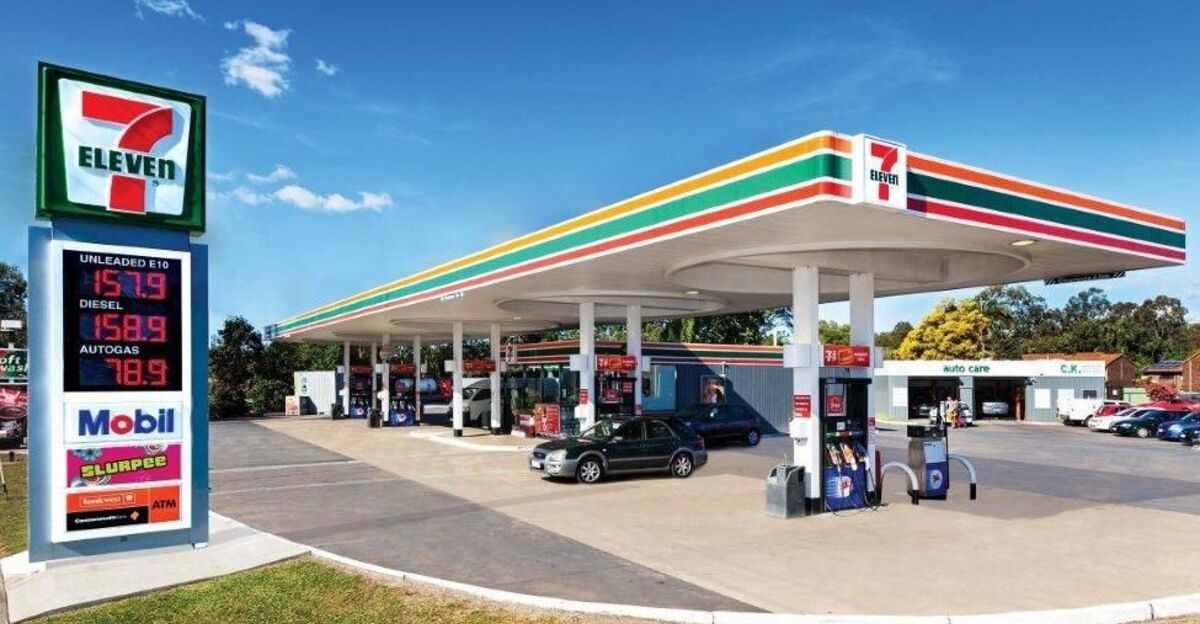
Soon after the consent order took effect, 7-Eleven bought a fuel outlet in St. Petersburg, Florida, in December 2018. According to the FTC, that property sat squarely within one of the 76 markets covered by the notice requirement, meaning the company should have alerted the agency before closing the deal.
Instead, regulators say they did not learn of the acquisition until March 25, 2022, more than three years after the station changed hands. During that time, the outlet operated under 7-Eleven’s ownership without the advance review the consent order was designed to guarantee.
The FTC argues that the delay deprived it of the chance to evaluate any impact on local fuel competition before the purchase was finalized. In highly localized markets such as St. Petersburg, even a single station changing ownership can influence prices or choices available to drivers, particularly where a few large chains already dominate.
Compliance Systems Under Fire
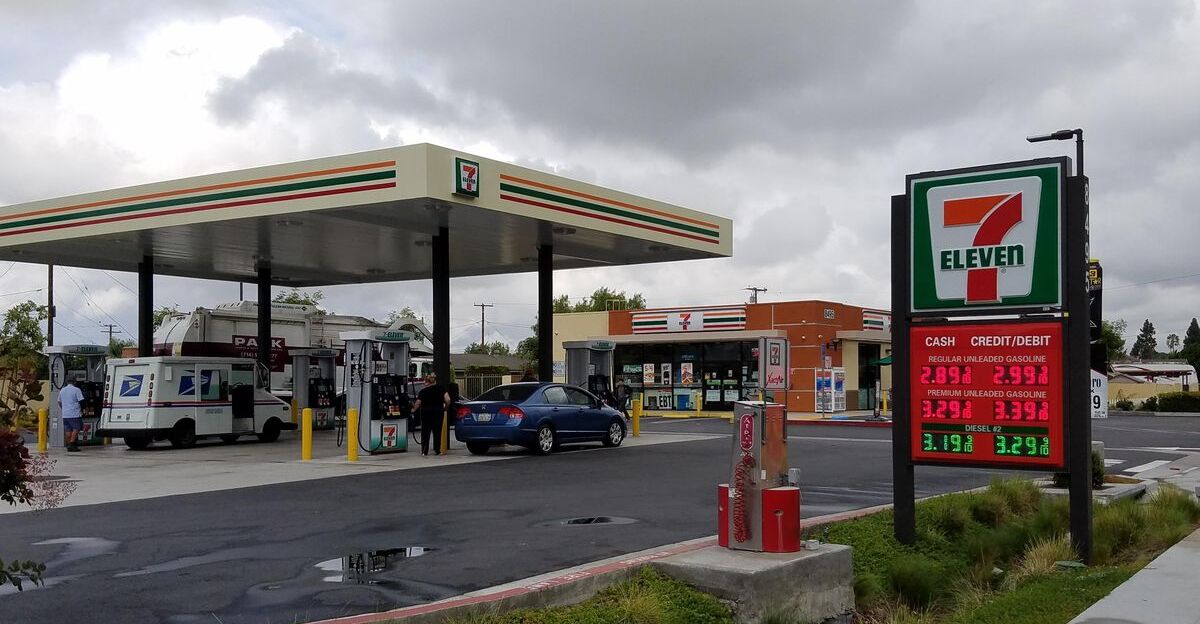
At the center of the enforcement action is not just a missed filing, but what the FTC describes as a deeper breakdown in internal controls. In its public statements, the agency characterized 7-Eleven’s systems for tracking and enforcing the 2018 consent order as “wholly inadequate,” saying there were no meaningful processes to ensure business teams checked regulatory obligations before pursuing new fuel-station deals.
That assessment points to shortcomings in how the company integrated legal and compliance checks into its acquisition pipeline. Regulators indicated that dealmakers could close transactions in covered markets without effective safeguards to confirm whether special notice rules applied. For the FTC, that gap undermines the basic premise of relying on companies bound by consent orders to monitor themselves as they grow.
The criticism also extends to the corporate group as a whole. The stipulated final judgment names both 7-Eleven, Inc. and Seven & i Holdings Co. Ltd. as jointly liable, reinforcing the FTC’s view that parent entities remain responsible for ensuring that U.S. operations follow the conditions attached to past merger approvals.
Record Penalty and Required Divestiture
Following a lawsuit filed by the FTC in 2023, the parties reached a negotiated settlement in December 2025. Under that agreement, 7-Eleven and its parent will pay a $4.5 million federal civil penalty to resolve allegations that they violated the 2018 consent order by acquiring the St. Petersburg site without the required prior notice.
The FTC describes the payment as the largest civil penalty it has ever collected for a prior-notice order violation, and the largest negotiated settlement of any order violation in the history of its Bureau of Competition. Beyond the financial hit, the settlement requires 7-Eleven to divest the St. Petersburg station to a buyer approved by the FTC, effectively unwinding the contested acquisition.
The agreement also tightens future oversight. 7-Eleven must comply with strengthened prior-approval and prior-notice conditions for fuel-station deals, giving regulators more direct say over specific transactions in markets where competition concerns are most acute. The FTC Commission voted 2-0 to authorize the settlement.
Sector-Wide Signal
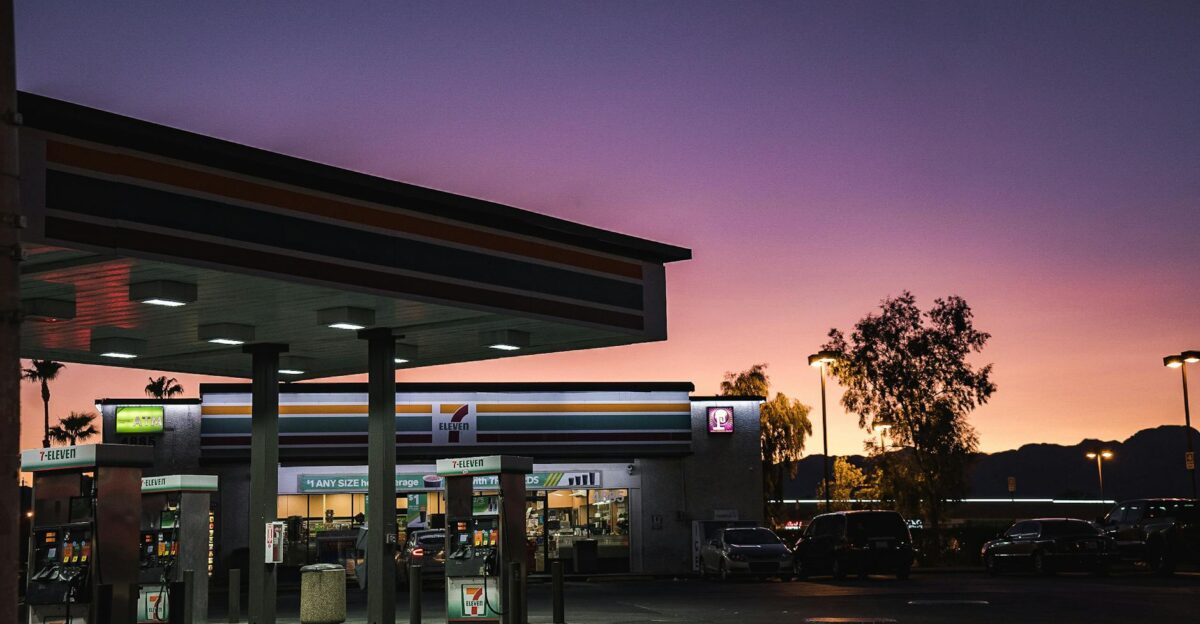
The enforcement action unfolds against a backdrop of ongoing consolidation in U.S. fuel retailing, where large chains continue to add locations through acquisitions. The FTC has repeatedly warned that reduced rivalry among fuel outlets can keep prices higher than they would be in more competitive markets, particularly in areas already served by a small number of sizable players.
By pairing a record financial penalty with a forced divestiture and sharper monitoring tools, regulators are signaling a stricter baseline for companies operating under merger-related consent orders. Officials have framed the case as part of a broader effort to ensure that such orders remain living obligations, not one-time hurdles that can be sidelined as firms pursue growth.
For 7-Eleven, the settlement brings immediate costs and places its future fuel-station expansion under closer scrutiny. For other chains bound by similar orders, the case serves as a caution that failing to observe prior-notice requirements—even for a single local outlet—can trigger substantial penalties, structural remedies, and renewed examination of internal compliance programs.
As the FTC’s Bureau of Competition pursues this more assertive stance, the outcome in the 7-Eleven matter may influence how companies structure acquisition review processes and how regulators design future remedies in concentrated markets. The open question for the industry is whether this record penalty becomes an exception or a template for evaluating the next round of neighborhood fuel-station deals.
Sources
Federal Trade Commission Press Release, December 8, 2025
FTC Bureau of Competition Official Announcement
FTC Stipulated Final Judgment and Settlement Agreement
FTC Consent Order (2018) – Sunoco Acquisition Matter No. 201-0108
FTC Bureau of Competition Historical Case Records and Enforcement Archives