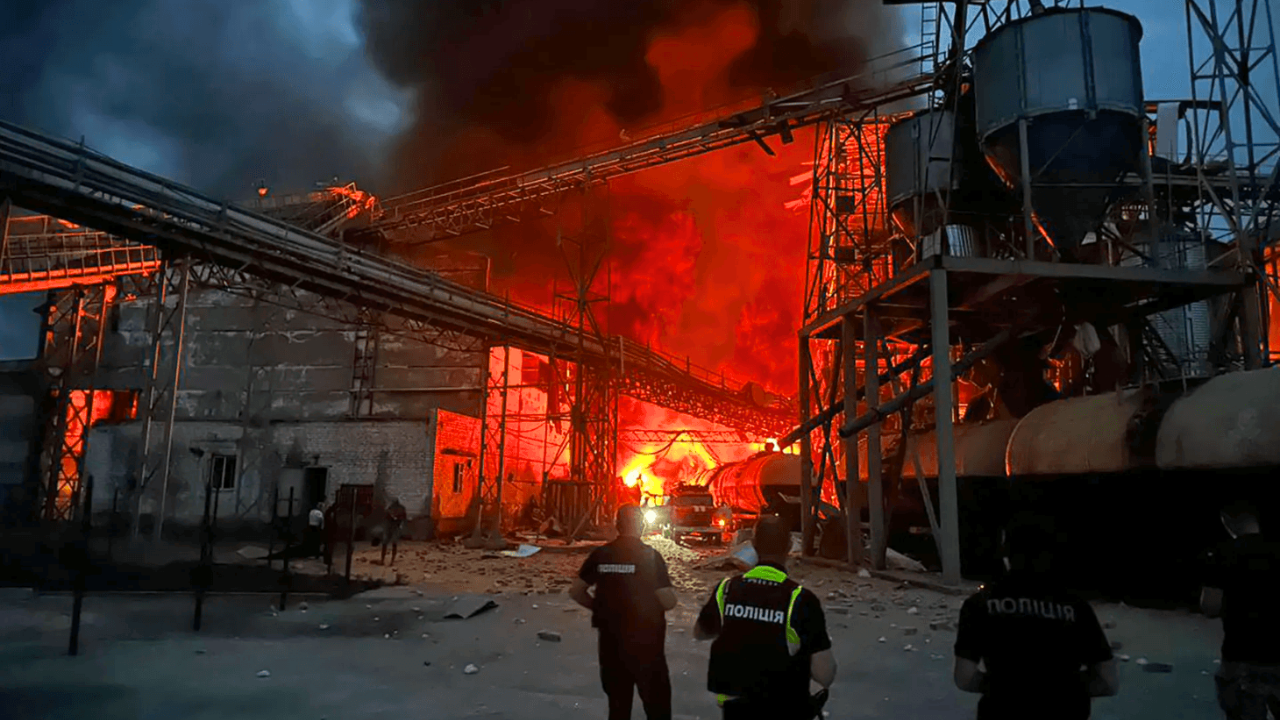
Before dawn on November 29, 2025, explosions lit up the Black Sea near Novorossiysk as Ukrainian uncrewed surface vessels struck the Caspian Pipeline Consortium’s offshore terminal, blowing apart Single Point Mooring-2 and forcing an immediate halt to oil loading. In minutes, the main outlet for Kazakh crude to world markets was crippled, cutting an estimated 80% of Kazakhstan’s export capacity and turning a front-line strike in Russia’s war with Ukraine into a regional economic shock and a test of global energy resilience.
Kazakhstan’s Lifeline Hit
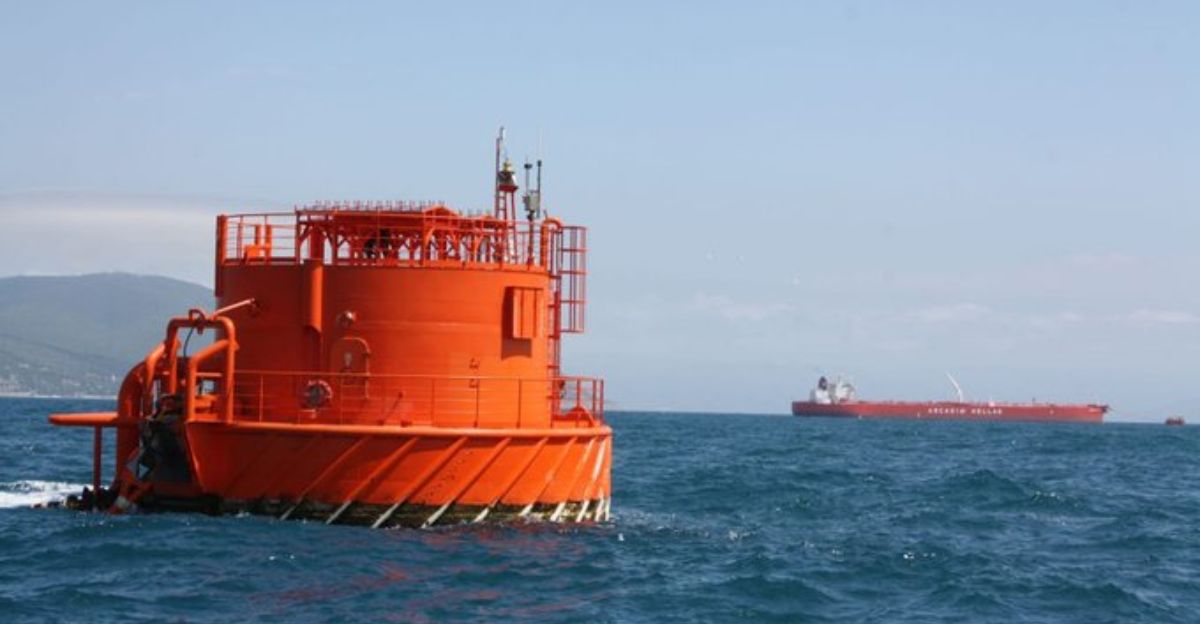
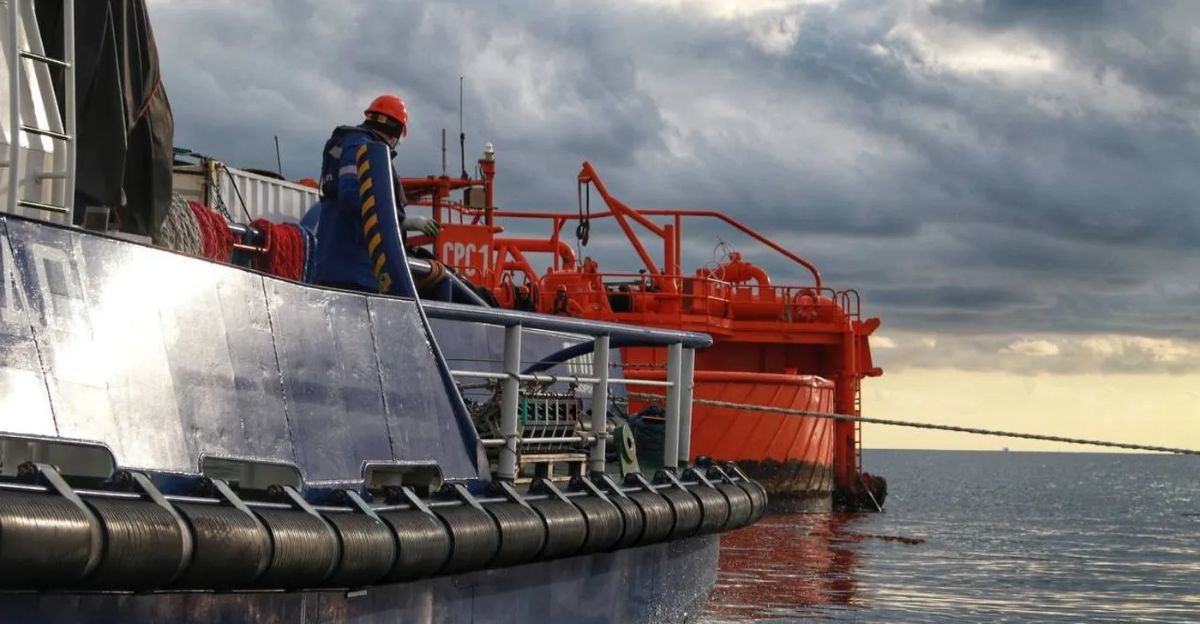
The CPC terminal handles roughly one percent of global crude supply, processing about 5.3 million tons a month, worth around $2.4 billion at prevailing prices. Each of its three offshore loading buoys, or Single Point Moorings, can load about 800,000 barrels a day, placing them among the most strategically important oil facilities worldwide.
The November attack destroyed SPM‑2 just as SPM‑3 was already out of service for scheduled maintenance, which began on November 12. With only SPM‑1 still functioning, loading capacity instantly shrank to about one-third of normal. Tankers pulled back from the affected area, and the consortium shifted to an emergency regime that left Kazakhstan’s export system effectively bottlenecked at a single mooring point.
For a country that had come to rely on CPC for more than four-fifths of its crude shipments, the loss underscored how its economic growth and budget stability had been built on one vulnerable offshore terminal in Russian waters.
Diplomatic Lines Redrawn
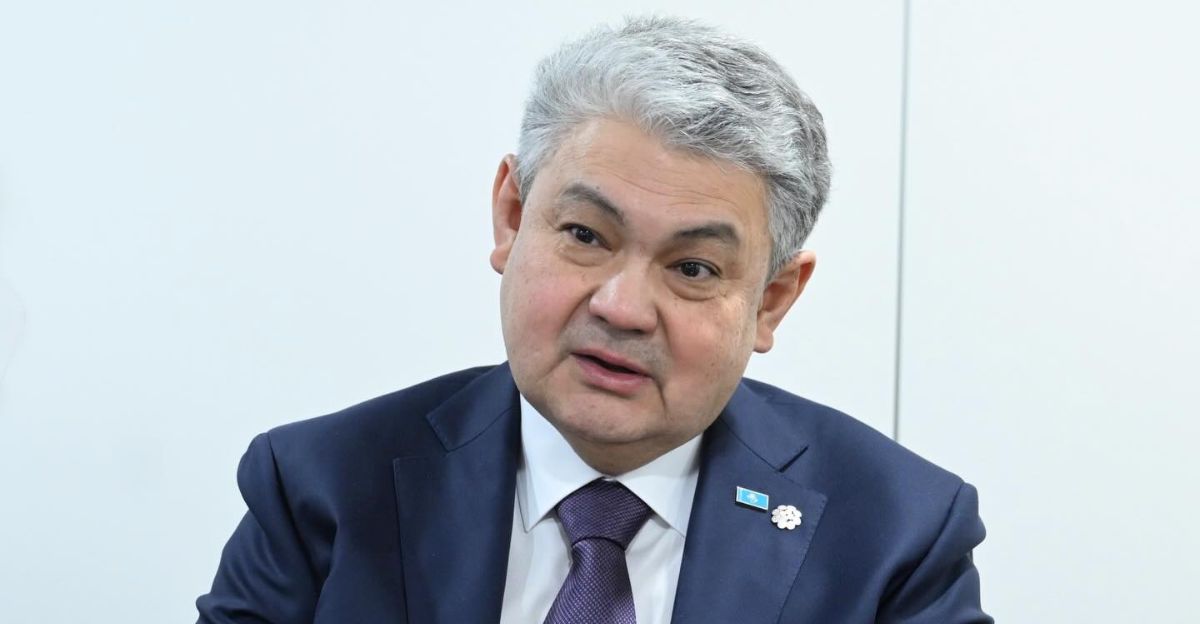
Astana’s political response marked a turning point. On November 29, Kazakhstan’s Foreign Ministry issued its first formal public complaint to Kyiv over such operations, describing the strike as “detrimental to bilateral relations” and calling it the third attack on “exclusively civilian infrastructure protected by international law.” The statement demanded that Ukraine take “effective measures to prevent similar incidents in the future,” a sharper tone than its earlier, largely muted reactions to previous attacks on the same system.
At the same time, Kazakhstan moved to manage the physical fallout. By December 1–2, producers across the country began cutting back as storage depots filled. Official figures showed oil and condensate output falling six percent in those two days alone—about 108,000 barrels per day—compared with November’s average of 1.9 million barrels per day. The National Caspian Oil Consortium reduced intake from upstream companies by 40%, warning that storage would be full in roughly two and a half days. Faced with that limit, operators had little choice but to shut in production to avoid spills and other environmental risks.
Fiscal Shock and Corporate Exposure
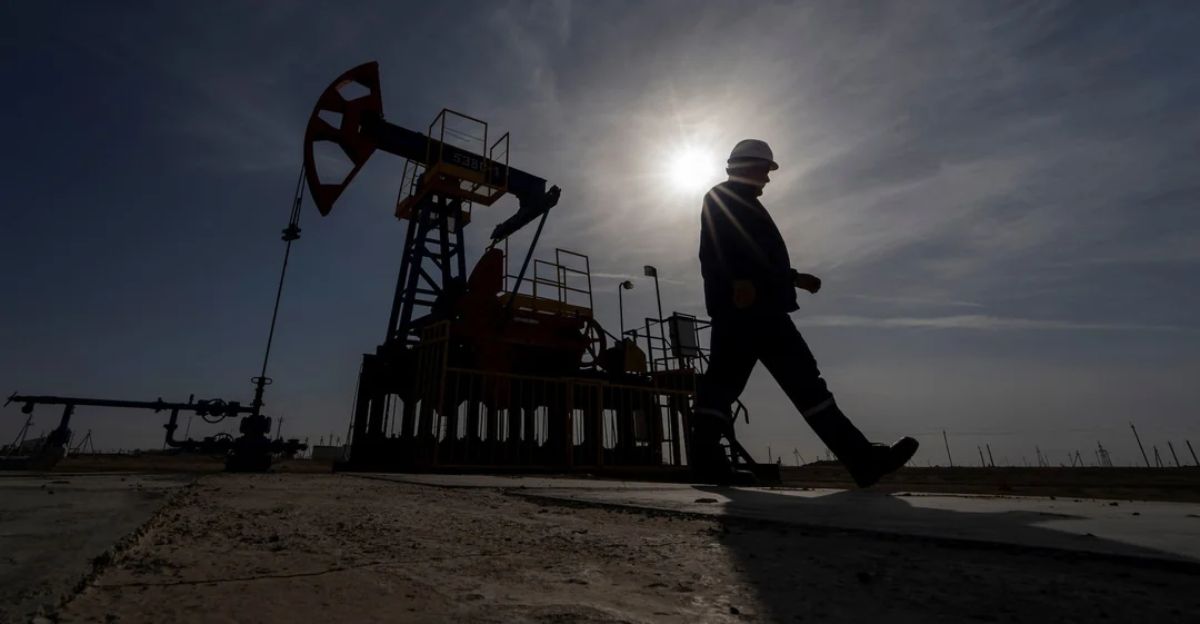
Economists quickly translated the physical disruption into budget arithmetic. A 20% drop in CPC throughput was estimated to cost Kazakhstan roughly $470–500 million in export revenue each month, close to one-fifth of all national exports. If reduced operations and repairs stretched into mid‑2026, total losses were projected to surpass $1.5 billion—about the size of the annual budget of the capital, Astana.
Energy specialist Olzhas Baidildinov warned that tax receipts and transfers to the National Fund could fall by about $1 billion between December 2025 and June 2026, pressuring government spending plans and forcing deeper draws on sovereign savings.
International oil majors with extensive assets in Kazakhstan also found themselves exposed. Chevron, ExxonMobil, TotalEnergies, Eni, and Shell collectively faced potential annual revenue shortfalls calculated in the tens of billions of dollars if normal shipments could not resume before mid‑2026. Chevron’s Tengizchevroil venture, the country’s largest producer, confirmed it had switched to relying solely on SPM‑1 while examining alternative export routes.
The physical repair path added further uncertainty. Engineers were still assessing whether SPM‑2 could be restored or needed full replacement. A modern unit of similar capacity costs in the range of $80–120 million, and even two new SPMs nearing completion in Dubai could not be installed and commissioned quickly; industry estimates pointed to months of additional work once they arrived. Given that SPM‑2 and SPM‑1 dated back to 2001, some specialists argued that outright replacement might be more economical than complex repairs.
Competing Narratives and Shifting Leverage
In Kyiv, officials framed the operation as part of a broader effort to degrade Russia’s war financing by targeting the energy system that, Ukrainian defense planners say, supplies 35–40% of Moscow’s federal budget revenues. Ukrainian forces had already hit at least 21 of Russia’s 38 large refineries in 2025 and carried out 14 refinery strikes in November alone, temporarily knocking out up to 20% of Russian refining capacity.
Ukrainian Foreign Ministry spokesman Heorhii Tykhyi stressed that the actions were “not directed against Kazakhstan or any third party,” and were conducted under Article 51 of the UN Charter as measures of self-defense against Russia’s full-scale invasion. In economic terms, however, the damage to Kazakh exports outweighed the immediate impact on Russian revenues, leaving Astana bearing a disproportionate share of the costs of a strike aimed at Moscow.
Russia denounced the attack. Kremlin spokesman Dmitry Peskov called it “outrageous,” citing the CPC’s international ownership, while the Foreign Ministry labeled it “an act of terrorism” that endangered safe navigation. Turkey also protested after blasts damaged two tankers, the Kairos and Virat, associated with Russia’s so‑called shadow fleet, in its exclusive economic zone near the Bosphorus, warning of “serious risks to security, life, property, and environmental safety in the region.”
Some analysts argued that Russia could ultimately benefit from the disruption. With Kazakh volumes constrained, Russian crude might face less competition and potentially secure better prices, even as Moscow condemned the strikes and assigned blame to Ukraine.
Future Choices for Kazakhstan and Global Markets
The crisis laid bare Kazakhstan’s structural dependence on a single corridor. In 2013, CPC carried about 40% of the country’s oil exports; by 2021, that share had climbed to 81%. Emergency rerouting after the attack sent some flows through the Baku–Tbilisi–Ceyhan pipeline and via lines to China, but together these routes could absorb only around 300,000 barrels per day, roughly one‑fifth of normal exports, and at higher transport costs.
Officials floated options including expanding capacity to China via the Atasu–Alashankou line and, in the longer term, building an underwater pipeline across the Caspian Sea to Azerbaijan. Both ideas would require major investment and years of construction, while also shifting Kazakhstan’s dependence from one route or market to another. By December 8, the government said some Kashagan crude would be sent directly to China using existing pipelines, a stopgap that did not resolve the underlying concentration risk.
Global oil markets responded quickly: benchmark prices rose by more than $1 per barrel after the attack as traders absorbed the loss of one percent of worldwide supply and factored in the prospect of prolonged uncertainty, at a time when producers were already balancing OPEC+ agreements and strategic stockpile policies.
For Kazakhstan, the strike turned a distant war into an immediate domestic stress test. Decisions in the coming years on diversification, investment in alternative export corridors, and political positioning between Russia, Ukraine, and other partners will help determine whether this episode remains a temporary disruption or marks a lasting shift in the country’s economic model and role in the energy system.
Sources:
Reuters: “Kazakhstan’s CPC oil pipeline will not return to full export capacity before summer 2026” (December 8, 2025)
Reuters: “Kazakhstan criticises Ukraine over drone attack CPC oil terminal” (November 30, 2025)
Ukrainian Pravda: “Oil terminal in Russia’s Novorossiysk halts operations after drone strike” (November 29, 2025)
Kazakhstan’s Foreign Ministry official statement on CPC terminal attack response (November 29, 2025)
RFE/RL: “How A Ukrainian Drone Strike On Russia Has Crippled Kazakhstan’s Oil Exports” (December 4, 2025)