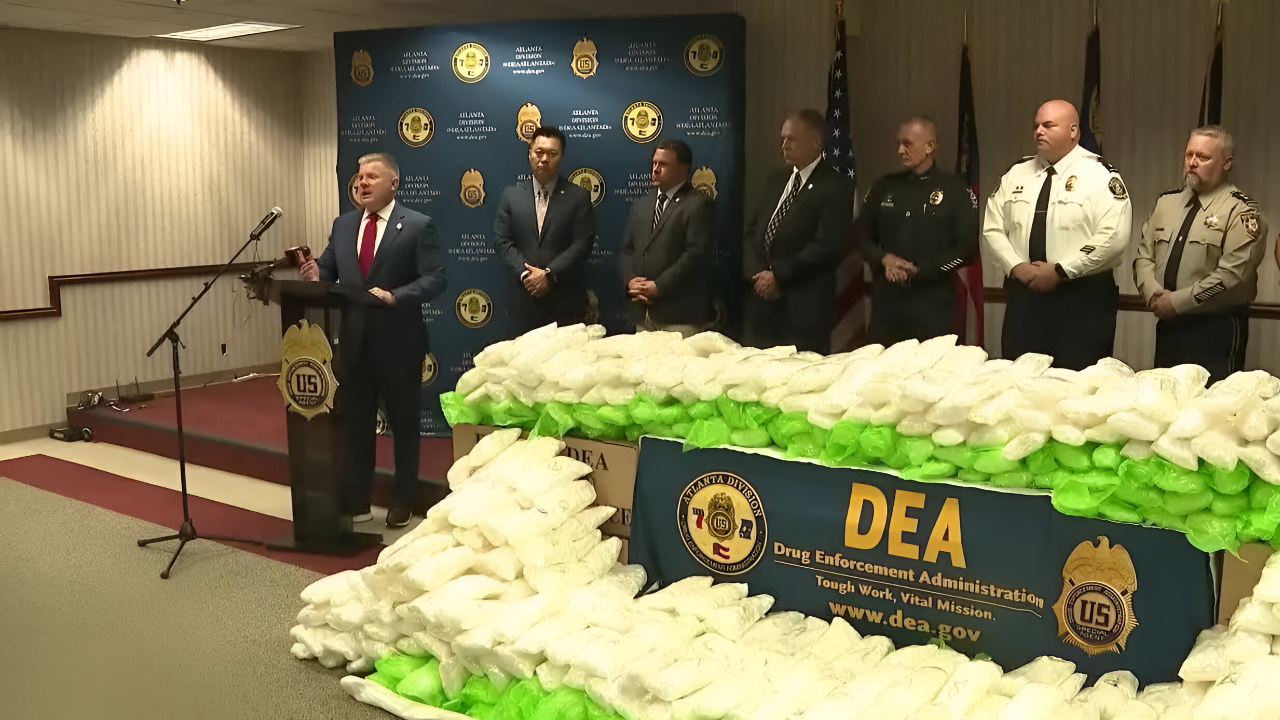
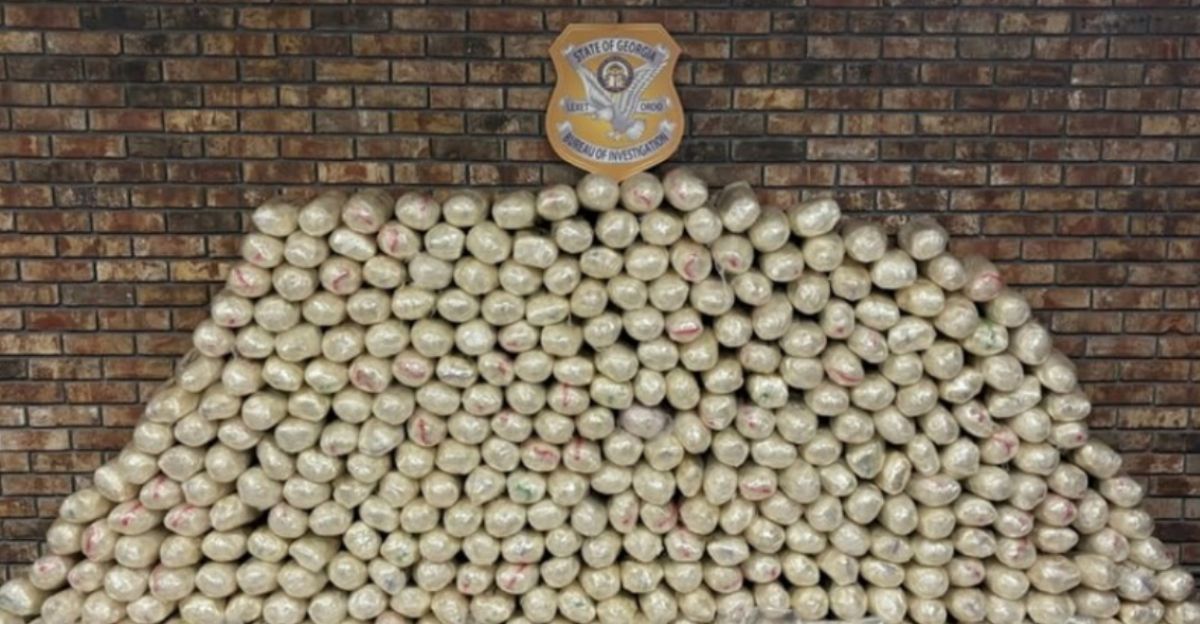
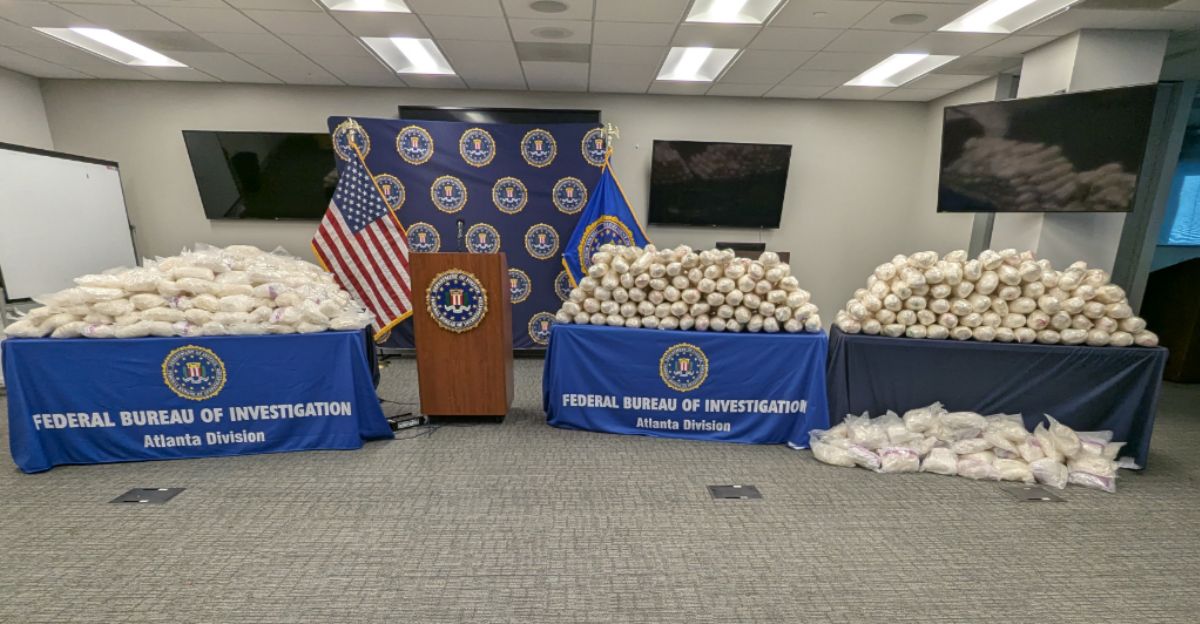
Refrigerated trucks sat outside a Fulton County cold-storage warehouse as federal agents moved in, opening pallets stacked with fresh blackberries. Inside the crates, wrapped and concealed, were bricks of methamphetamine—1,585 pounds in total—intercepted on November 20, 2025. Officials would later confirm it as the largest meth seizure in the United States this year, stopping an estimated $22.5 million worth of drugs before they could move deeper into Georgia’s supply chain.
But this shipment didn’t get here by accident—and investigators quickly realized it wasn’t the first.
How Cartels Slipped Into the Produce Supply Chain
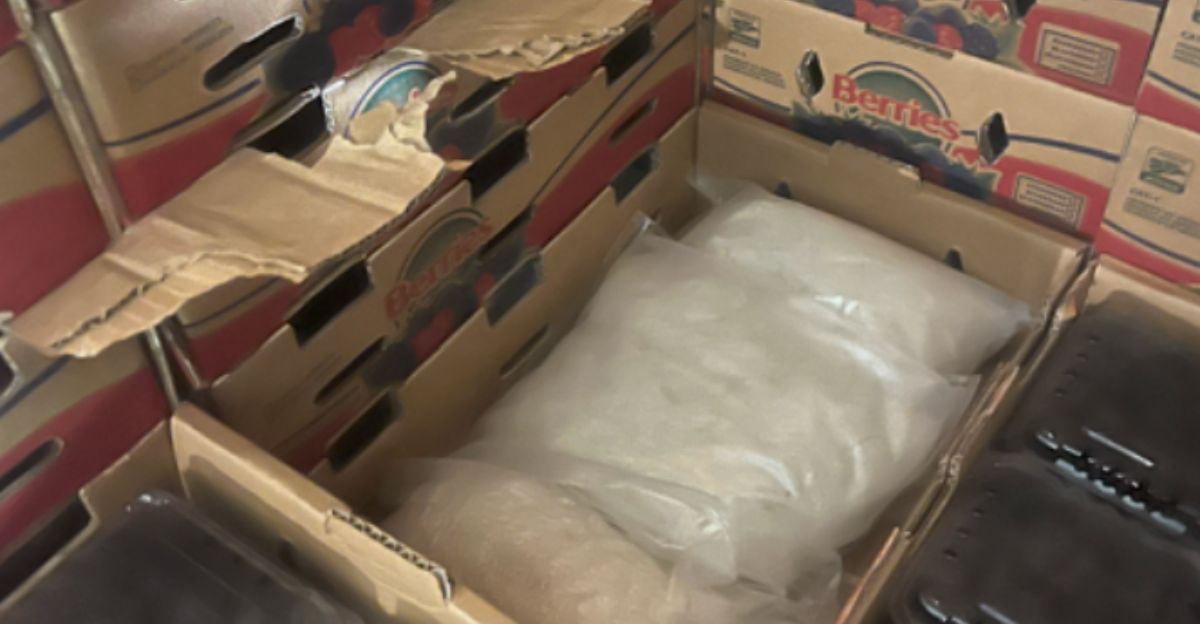
Investigators say traffickers exploited refrigerated produce logistics to move drugs across borders and deep into the Southeast. Meth was hidden inside legitimate blackberry shipments, taking advantage of cold-chain systems trusted by grocers and distributors.
Officials warn that this was not an isolated tactic. Similar schemes using cucumbers, celery, and jalapeños point to a deliberate strategy: embedding narcotics inside America’s everyday food supply to bypass routine inspections.
Millions of Doses Stopped Before Reaching Streets
Law-enforcement officials estimate the seized meth represented tens of thousands to well over one hundred thousand individual doses, depending on purity and distribution methods. Those doses were believed destined for users across Atlanta, Hall County, and neighboring regions.
By intercepting the shipment early, authorities say they reduced immediate overdose risk, gang-related violence, and downstream trafficking activity—though they caution that demand pressures remain persistent.
Cold-Storage Warehouses Under Federal Scrutiny
The investigation centered on a Fulton County cold-storage facility after agents noticed three refrigerated trucks linked to suspicious shipping activity. Surveillance followed the vehicles as they moved through metro Atlanta and into North Georgia.
In response, federal agencies are increasing inspections of warehouses and logistics hubs, focusing on vendor verification, freight documentation, and supply-chain vulnerabilities that traffickers may have quietly exploited for years.
A Pattern Emerging in Produce-Based Smuggling

Officials say the blackberry seizure fits a broader pattern seen in Georgia and beyond. Earlier cases involved meth hidden in jalapeño shipments or processed through clandestine conversion labs tied to produce transport.
As enforcement pressure rises on one method, experts expect traffickers to pivot quickly—shifting to new commodities, vehicle compartments, or routing strategies—forcing constant adaptation by inspection teams nationwide.
Inside the International Trafficking Pipeline
Authorities believe the meth originated in Mexico before crossing the southern border and moving east via refrigerated trucks. Investigators are now mapping the full supply chain, from production and transport to U.S.-based distribution networks.
The goal is not just seizing drugs, but dismantling the transnational organizations behind them—cutting off financial flows, identifying facilitators, and disrupting cartel logistics embedded within legitimate commerce.
Drivers, Workers, and a “Hero Moment”
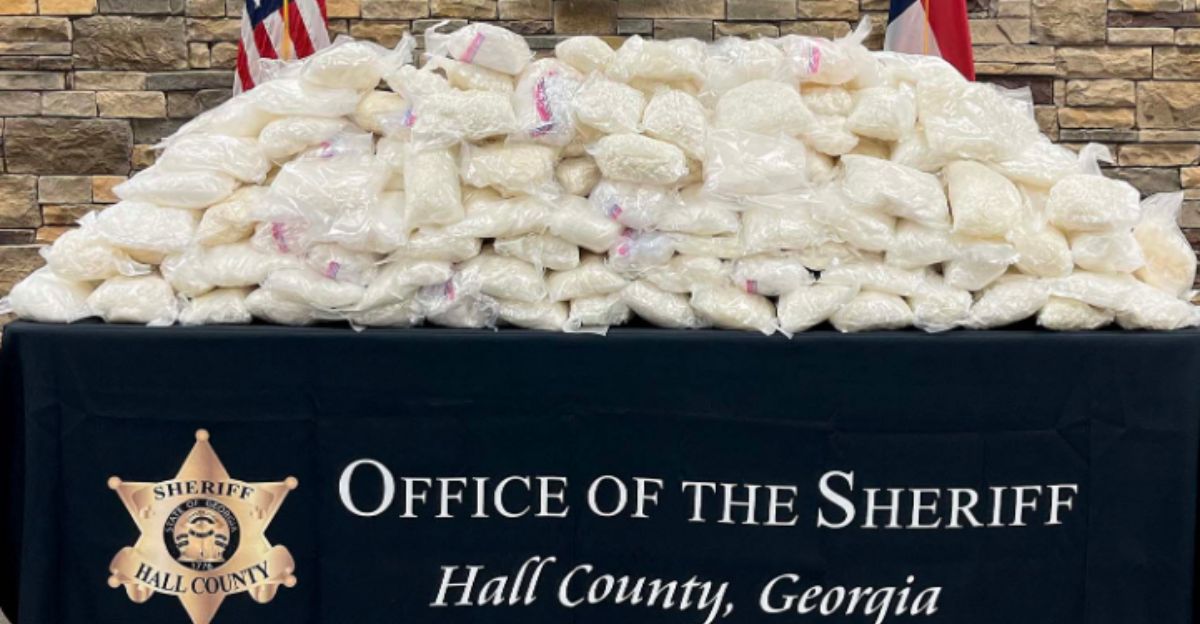
Hall County officials called the case the largest meth seizure their agency has handled in nearly four decades. State leaders described it as a defining “hero moment,” emphasizing that the drugs never reached the streets.
One driver, a Mexican national without legal status, was transferred to immigration authorities. Investigators continue to examine whether other workers were knowingly involved or unwittingly used.
Federal and State Forces Move in Lockstep

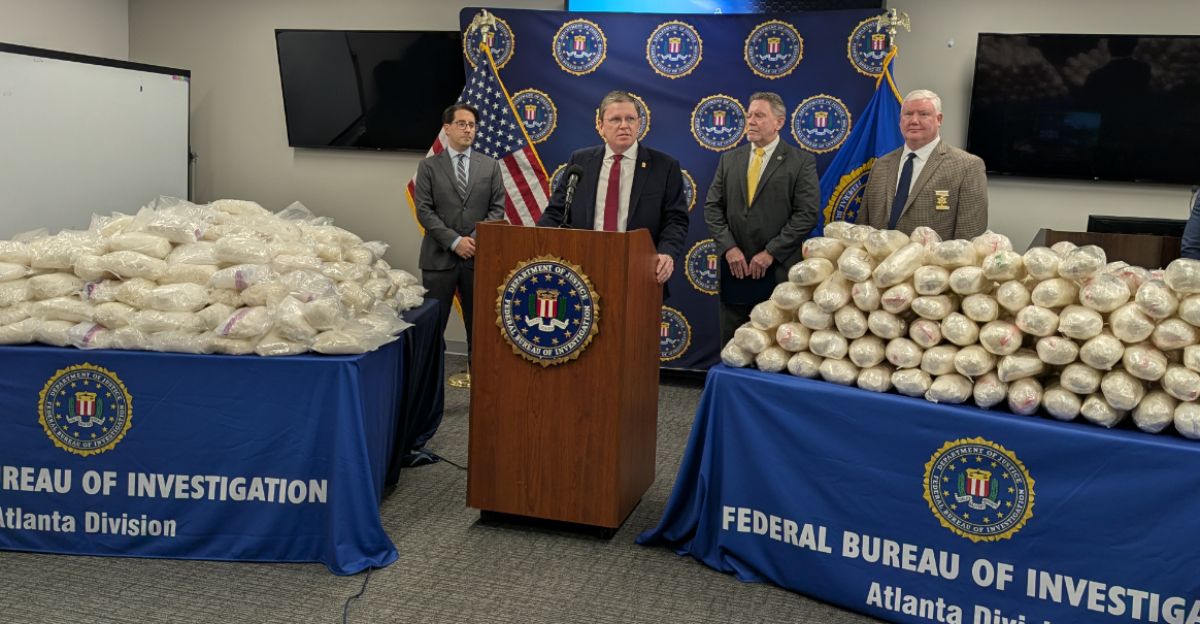
At a December briefing in Atlanta, officials from federal and state agencies highlighted the seizure as evidence of intensified coordination.
Task forces combining local sheriffs, state investigators, and federal agents are increasingly central to anti-cartel efforts in Georgia. Leaders framed the case as part of a broader push to secure supply routes, disrupt trafficking corridors, and deny cartels safe operating space inland.
The Economic Shock to Cartel Operations

Authorities estimate the meth seized carried a street value of roughly $22.5 million, with broader revenue disruption potentially much higher once wholesale profits and downstream distribution losses are considered.
Removing a shipment of this scale can temporarily tighten supply, raise local prices, and force traffickers to absorb significant losses—though cartels often respond by rerouting or increasing shipment frequency elsewhere.
Grocery Distributors Face New Questions

Because the drugs were hidden in blackberry pallets bound for commercial distribution, grocery chains and produce distributors now face renewed scrutiny. While no food contamination occurred, companies are reassessing chain-of-custody controls and supplier verification processes.
Many are expected to deepen cooperation with federal agencies to reassure consumers and prevent legitimate supply networks from being exploited again.
Restaurants and Food Services Adjusting

Food-service operators reliant on imported berries may encounter tighter inspections and longer transit times as enforcement intensifies.
Industry groups stress that produce remains safe to eat, but warn that perishable supply chains require balance. Restaurants and distributors are urging intelligence-driven screening approaches that protect public safety without disrupting inventory flows critical to daily operations.
Transport and Security Services See Ripple Effects
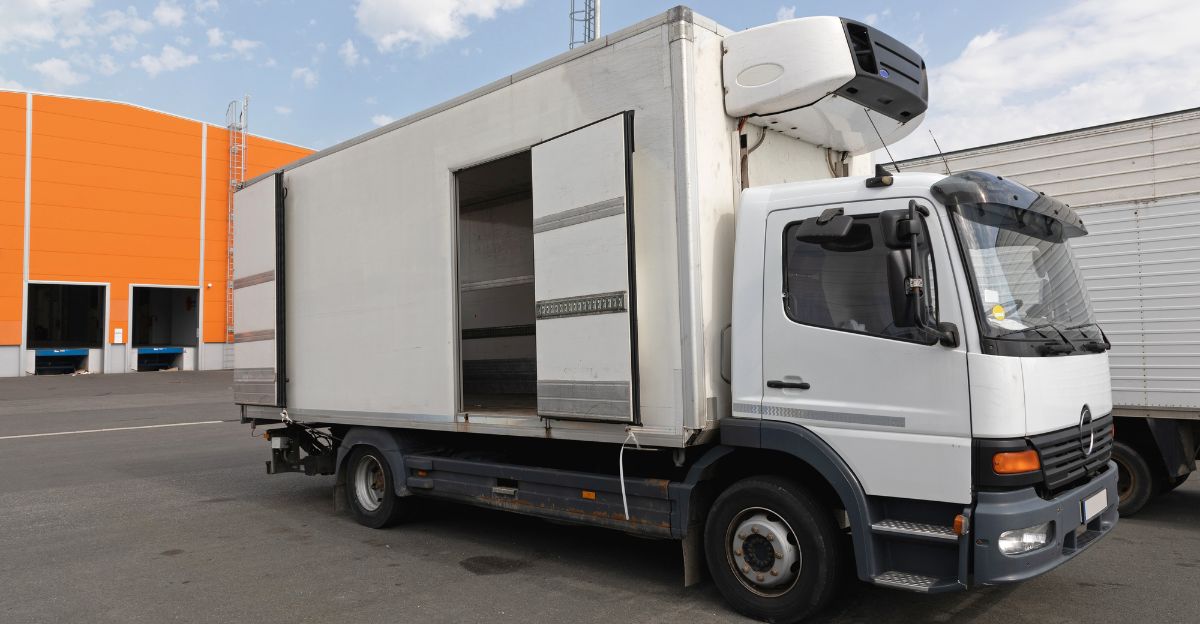
The multi-agency investigation underscores rising demand for specialized narcotics enforcement and logistics oversight. Refrigerated carriers operating in Georgia and neighboring states may face stricter compliance requirements, expanded driver vetting, and revised contracts.
Shippers, meanwhile, are seeking safeguards to avoid becoming unwitting conduits for criminal activity embedded within routine freight movements.
Consumer Confidence and Imported Produce
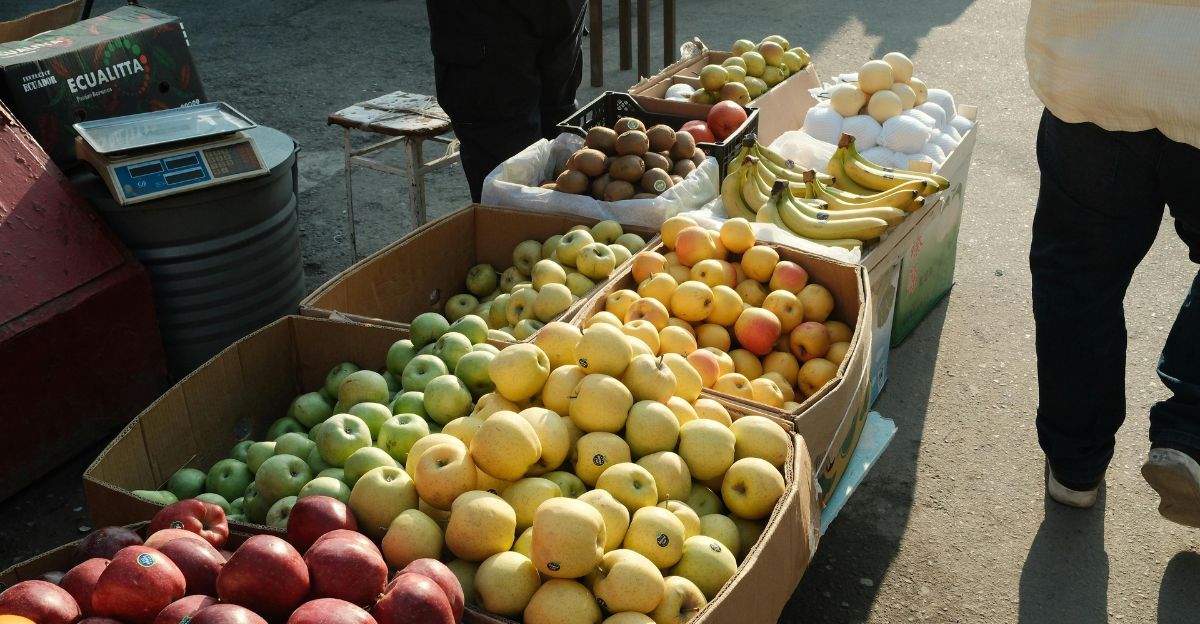
Stories of meth hidden in fresh produce can alarm consumers, even when narcotics are packaged separately from food. Trade and agriculture officials now face the challenge of reinforcing security while maintaining trust in imported goods.
Clear messaging and transparency will be key to preventing long-term reputational harm to growers and distributors uninvolved in trafficking schemes.
Health Stakes Behind the Headlines

Federal agencies emphasize that methamphetamine fuels addiction, violence, and long-term community harm. Seizing approximately 720 kilograms in a single operation, they argue, prevents significant downstream damage.
Public-health advocates agree interdictions matter—but stress that treatment access, prevention programs, and recovery support remain essential alongside large enforcement victories.
A Renewed Debate Over Drug Policy
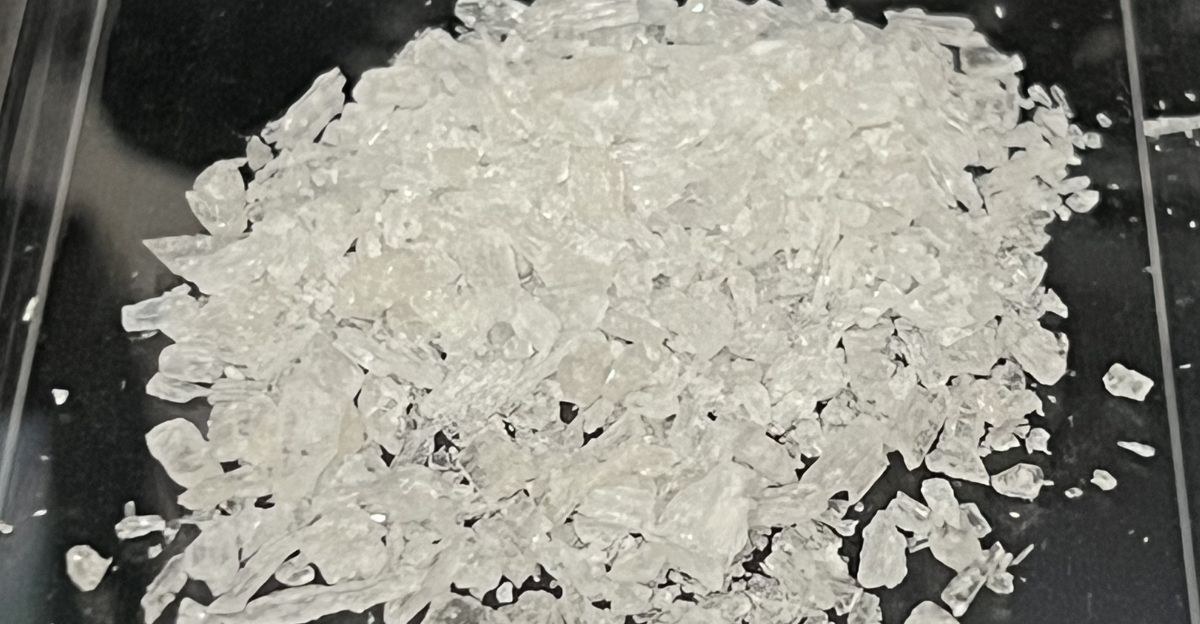
The Georgia bust has reignited national discussions over enforcement versus reform. Law-enforcement leaders argue that large seizures weaken violent organizations and protect communities. Critics counter that interdictions alone do not reduce demand and often prompt traffickers to innovate.
The case highlights the tension between tactical victories and the broader, unresolved challenges of drug policy.
Winners, Losers, and Legal Consequences

Clear losers include the cartel suppliers and two men charged federally in connection with the shipment, now facing serious trafficking penalties.
Officials describe the winners as communities across Georgia that avoided an influx of drugs. The case underscores how a single interdiction can shift outcomes for thousands of people—both inside and outside the justice system.
How Criminal Markets May Respond

Experts say record seizures often trigger strategic adjustments rather than retreats. Cartels may fragment shipments, diversify routes, or experiment with new concealment methods.
Meth wholesalers could recalibrate pricing as supply tightens temporarily. While financial markets remain largely insulated, enforcement trends influence risk assessments across cross-border logistics industries.
What Consumers Should Know Now

Authorities stress the meth was intercepted before reaching store shelves. Shoppers concerned about supply-chain integrity can look for retailers that emphasize sourcing transparency and compliance standards.
Community members are also encouraged to report suspicious warehouse or trucking activity through established tip lines, reinforcing local-level vigilance.
The Investigation Is Far From Over

Prosecutors in the Northern District of Georgia continue pursuing additional leads tied to the blackberry shipment. Related cases involving produce-linked meth operations are moving toward court proceedings in early 2026.
Officials say unraveling the full network could take months, as investigators follow financial trails and cross-border connections.
One Hidden Load, Nationwide Consequences
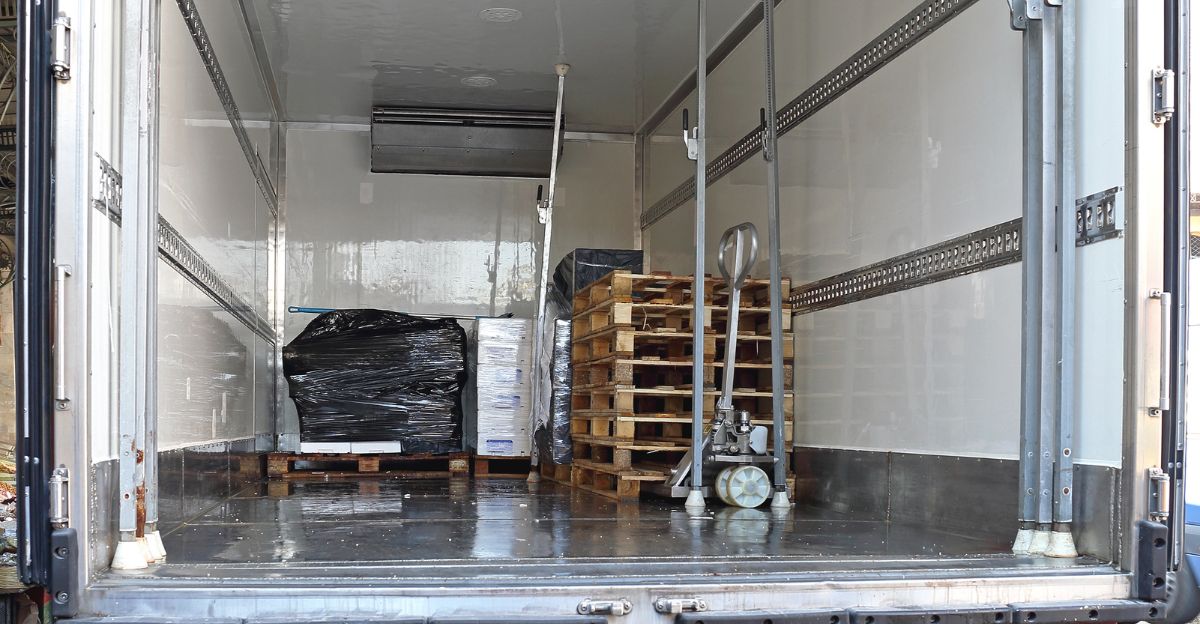
From a cold-storage warehouse in Fulton County to cartel supply lines spanning borders, this 1,585-pound seizure reveals how illicit drugs can ride atop legitimate commerce.
The bust sent shockwaves through law enforcement, agriculture, and logistics sectors alike—demonstrating how a single concealed shipment can reshape conversations about security, trust, and vulnerability across the U.S. food supply.
Sources:
“Illegal alien and Atlanta man face federal charges after massive seizures of methamphetamine concealed in fruit shipments.” U.S. Department of Justice, U.S. Attorney’s Office for the Northern District of Georgia, December 2, 2025.
“Blackberry shipments hid nearly 1,600 pounds of meth, two convicted criminals charged.” FOX 5 Atlanta, December 3, 2025.
“Feds arrest felon illegal immigrant after seizing tens of millions in meth stashed in blackberries.” Fox News, December 3, 2025.
“$22M worth of crystal meth found in blackberry shipments across Atlanta.” WSB-TV Atlanta, December 3, 2025.